THE NEST
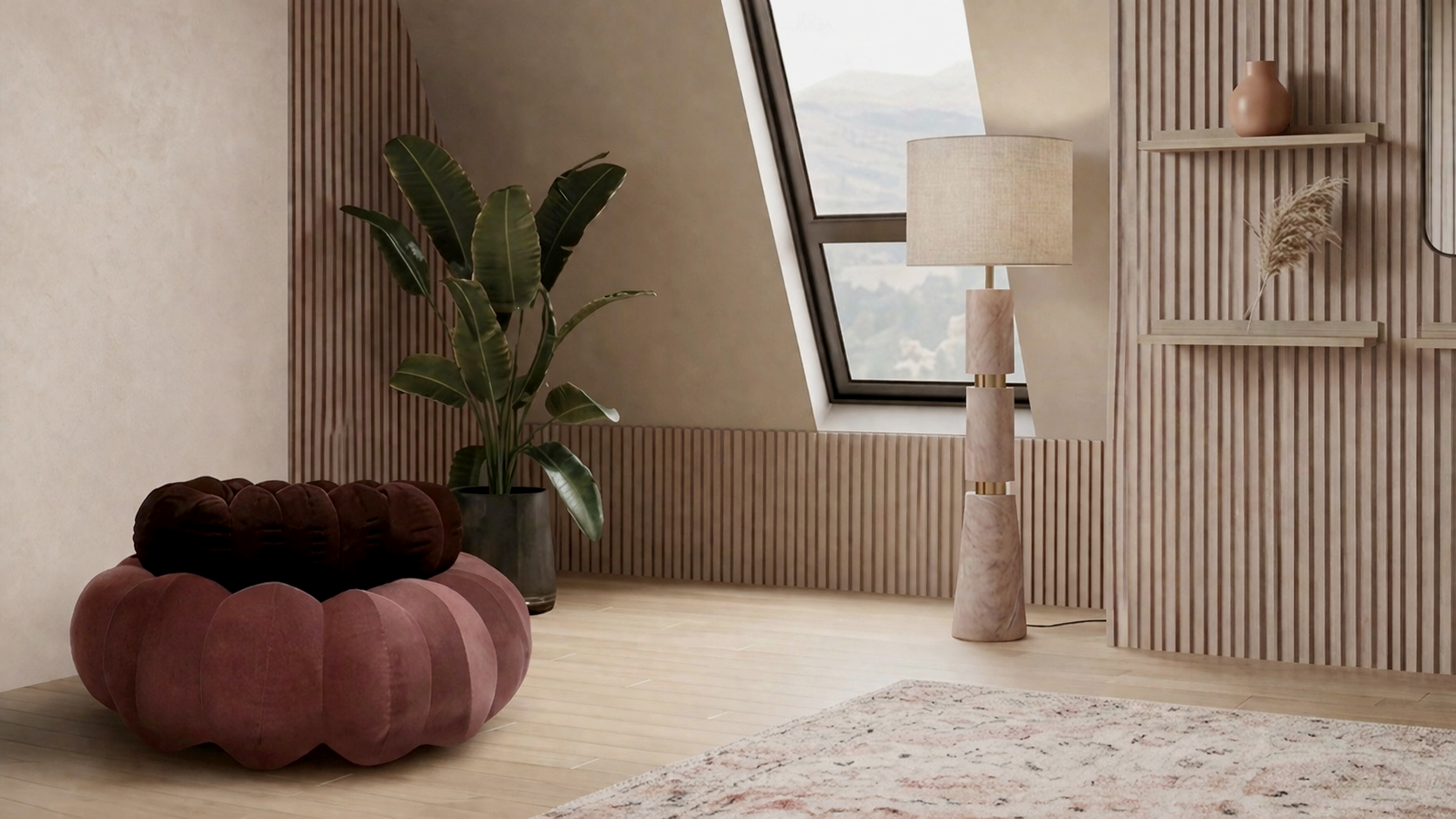
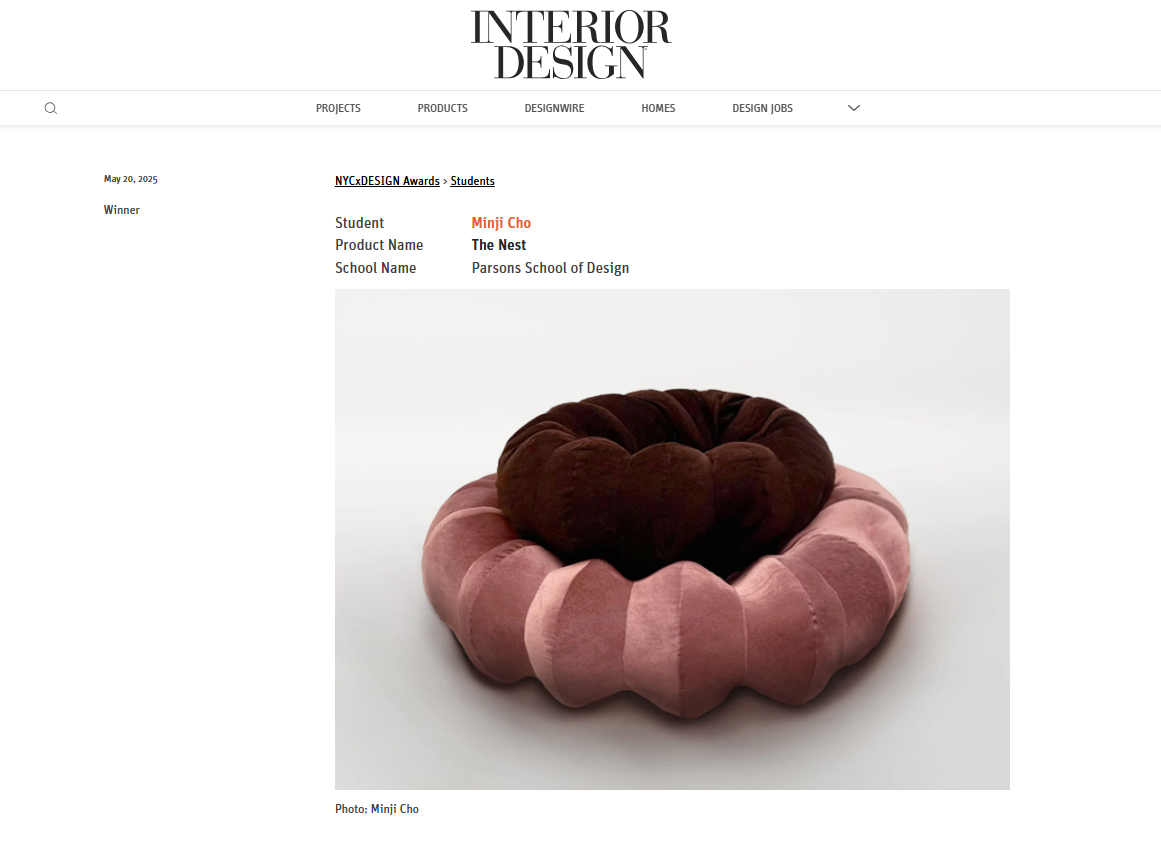
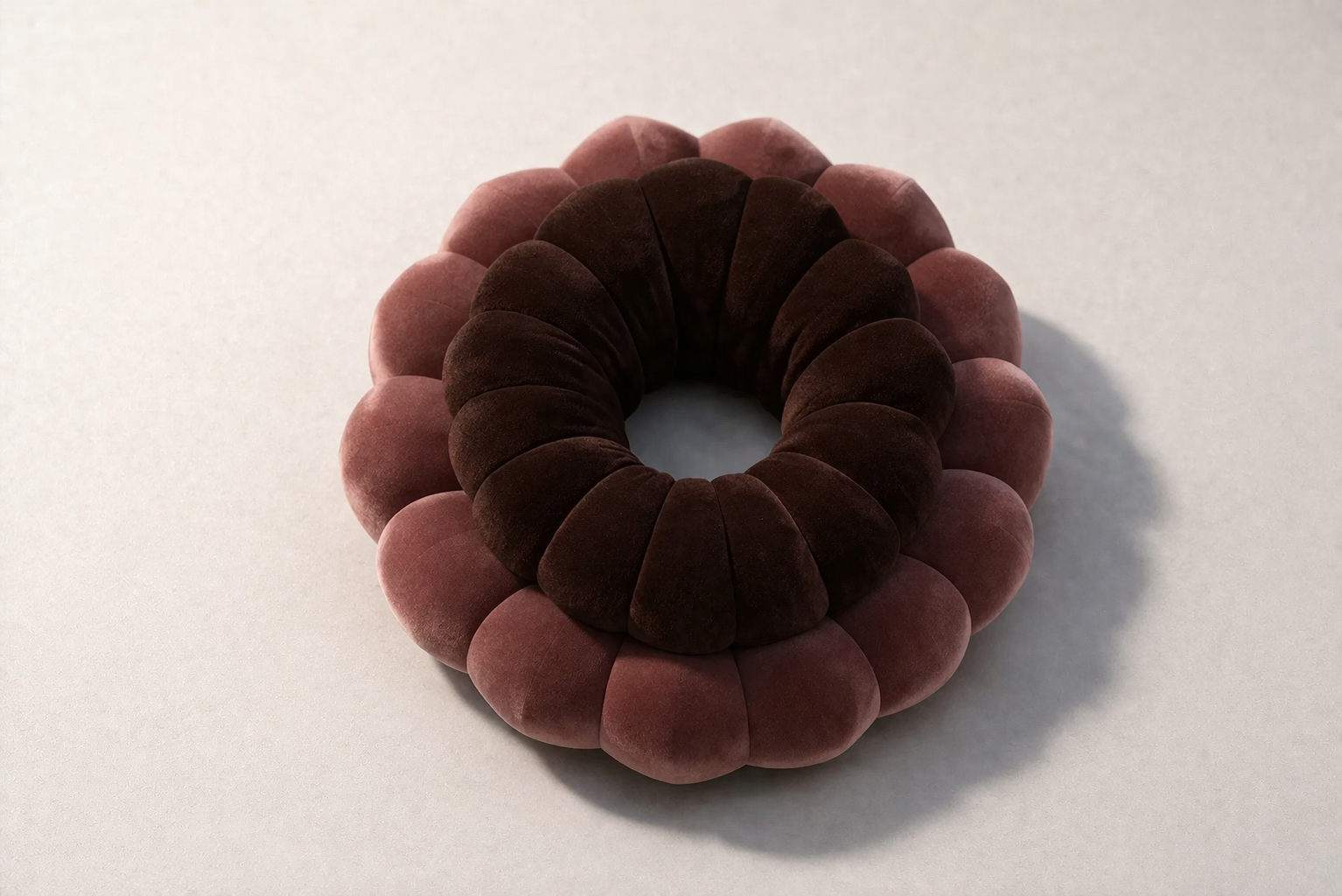
The Nest is a seating project that rethinks how people sit by encouraging posture variation instead of enforcing a single fixed position. While most furniture is designed with one intended posture in mind, people naturally shift, lean, and adapt their bodies over time. The Nest responds to this behavior by creating a softer and more flexible seating system that supports multiple ways of sitting, promotes movement, and offers a more intuitive and human-centered experience.
Traditional seating often suggests how the body should behave, but everyday use is far more fluid. At the same time, remaining in a fixed position for extended periods can lead to discomfort and potential health issues. The Nest addresses this by proposing a less prescriptive approach to sitting, allowing the body to move freely rather than conform to a single posture.
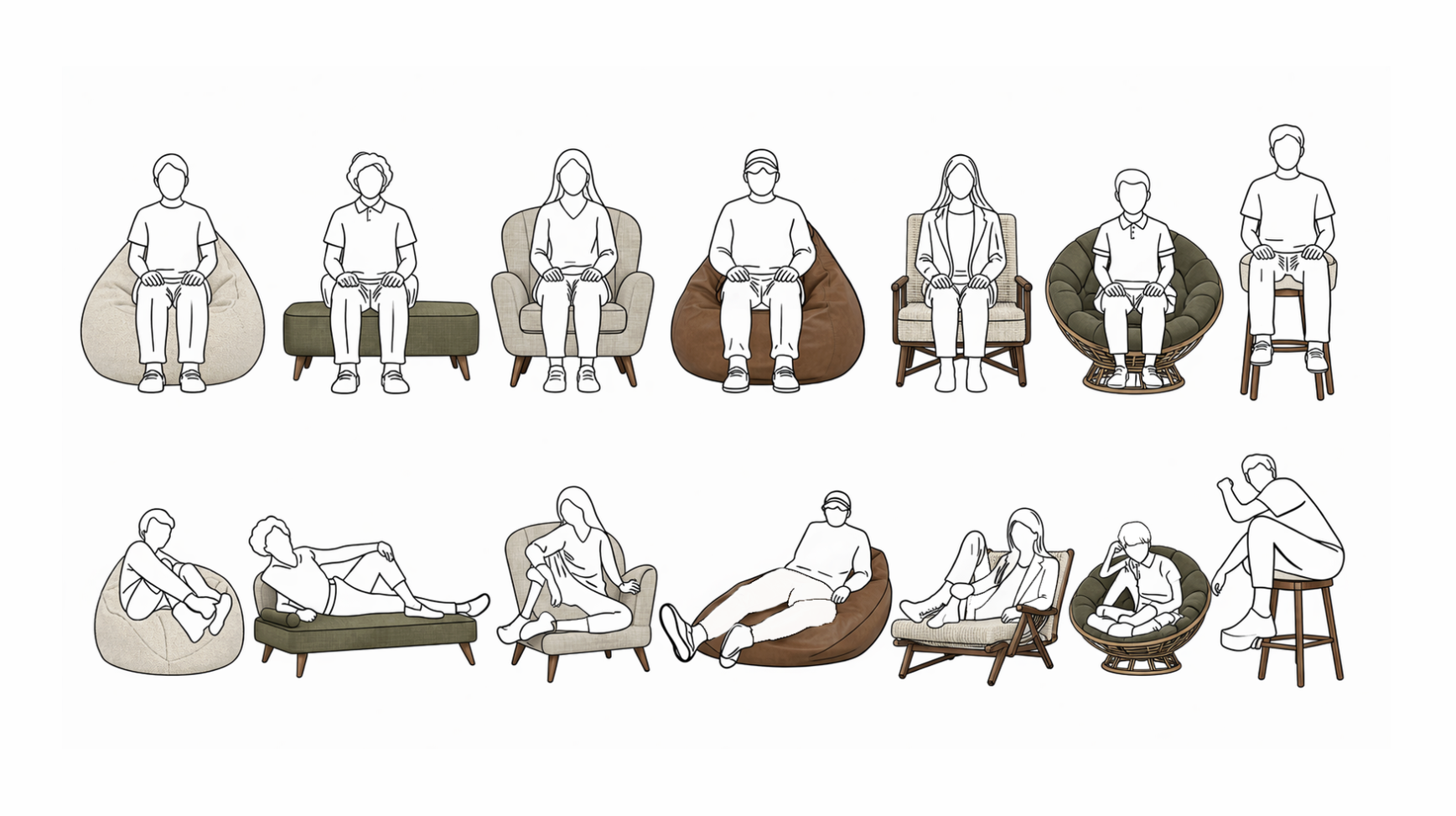
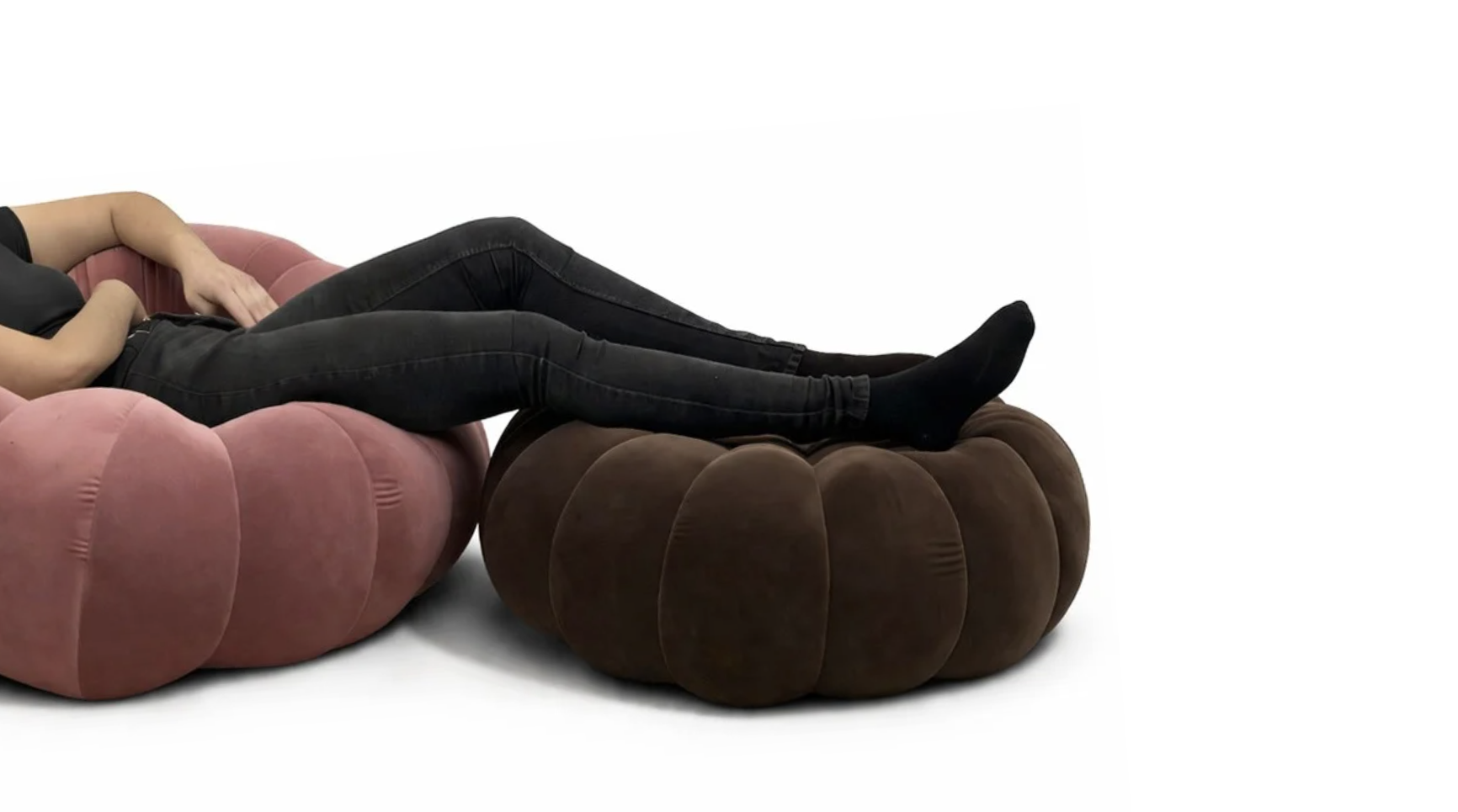
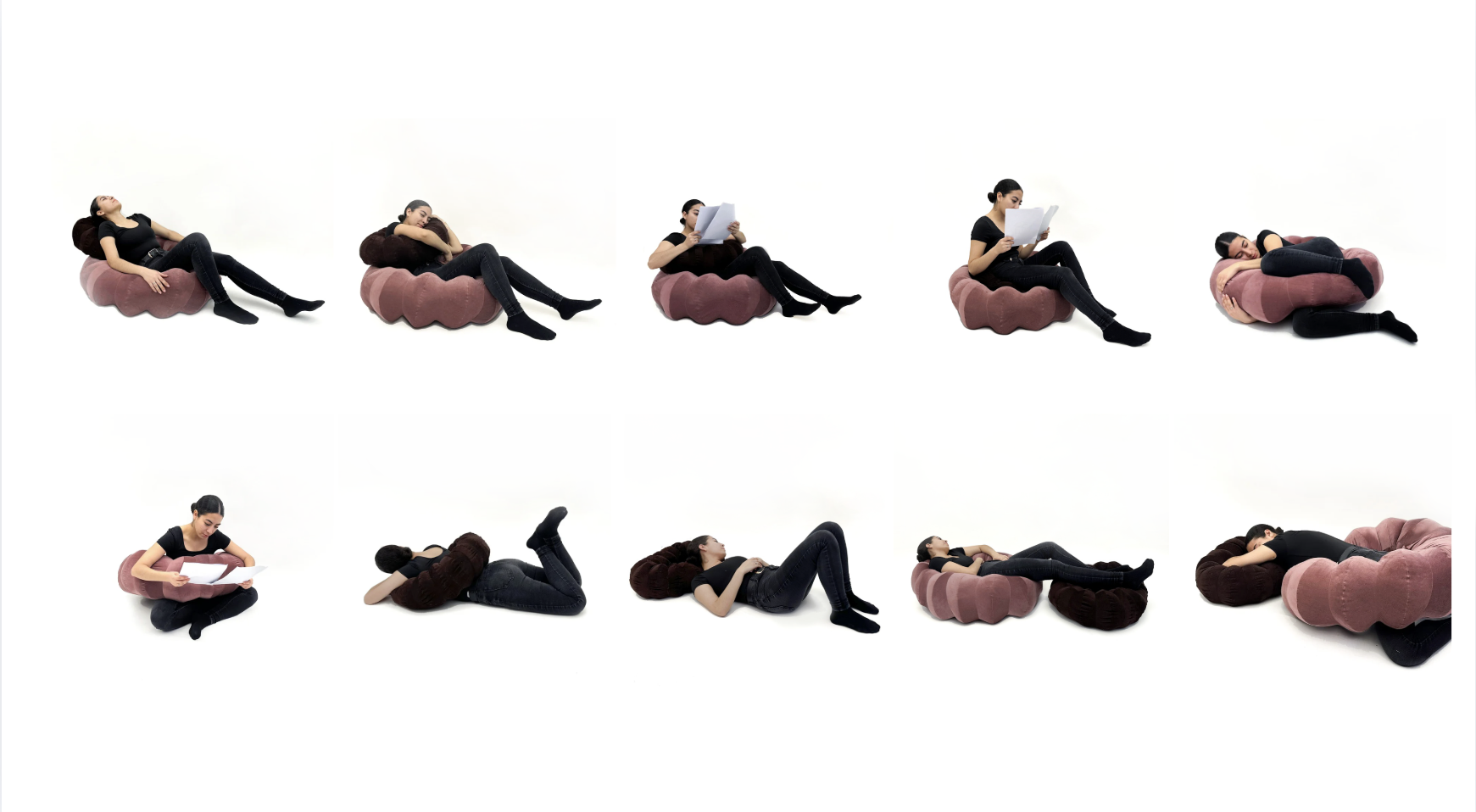
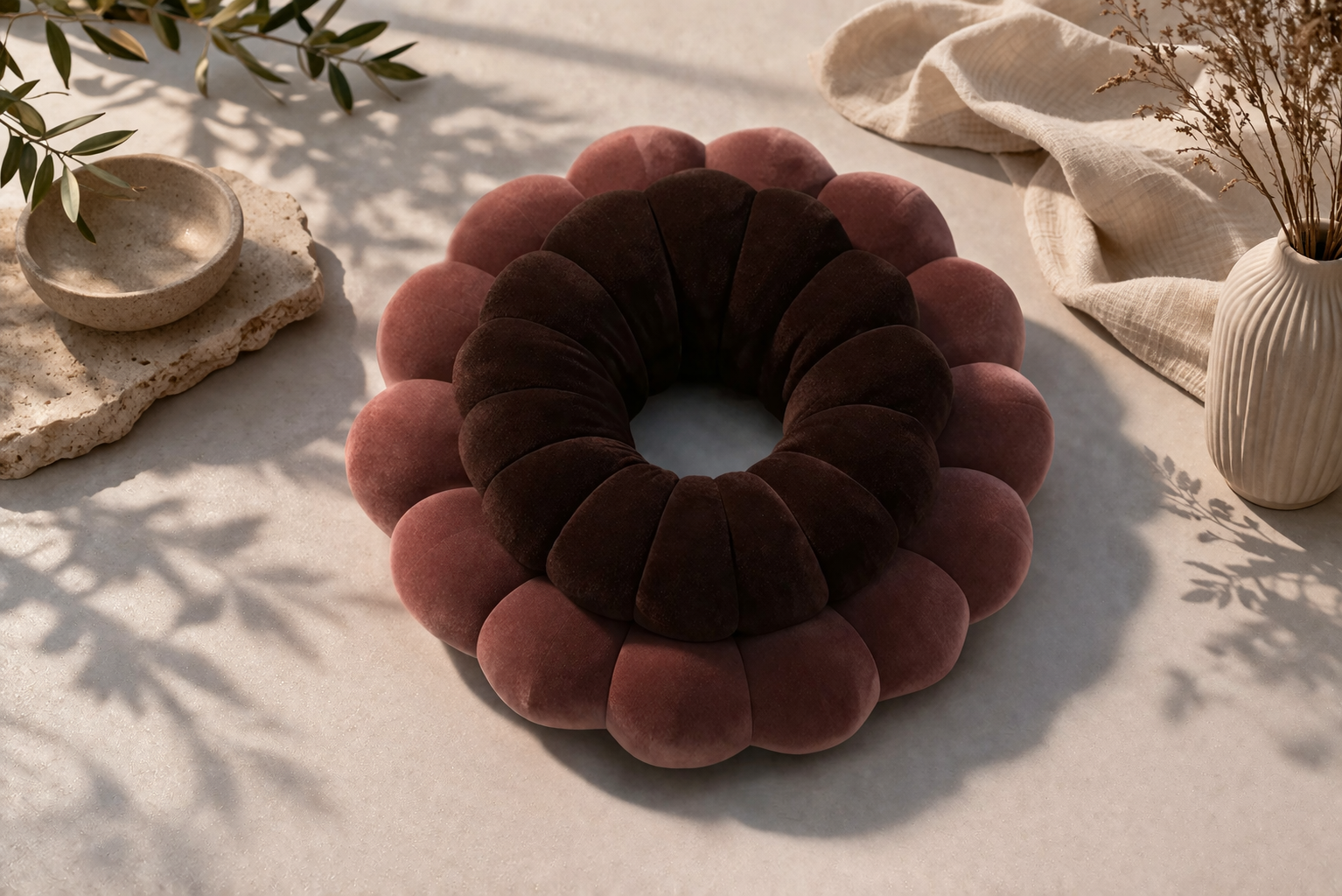
The objective of The Nest is to create a seating experience that adapts to the user rather than the other way around. Instead of guiding users toward one correct way of sitting, the design supports a range of positions over time. It encourages shifting, adjusting, and settling naturally, making sitting feel more responsive and less constrained.
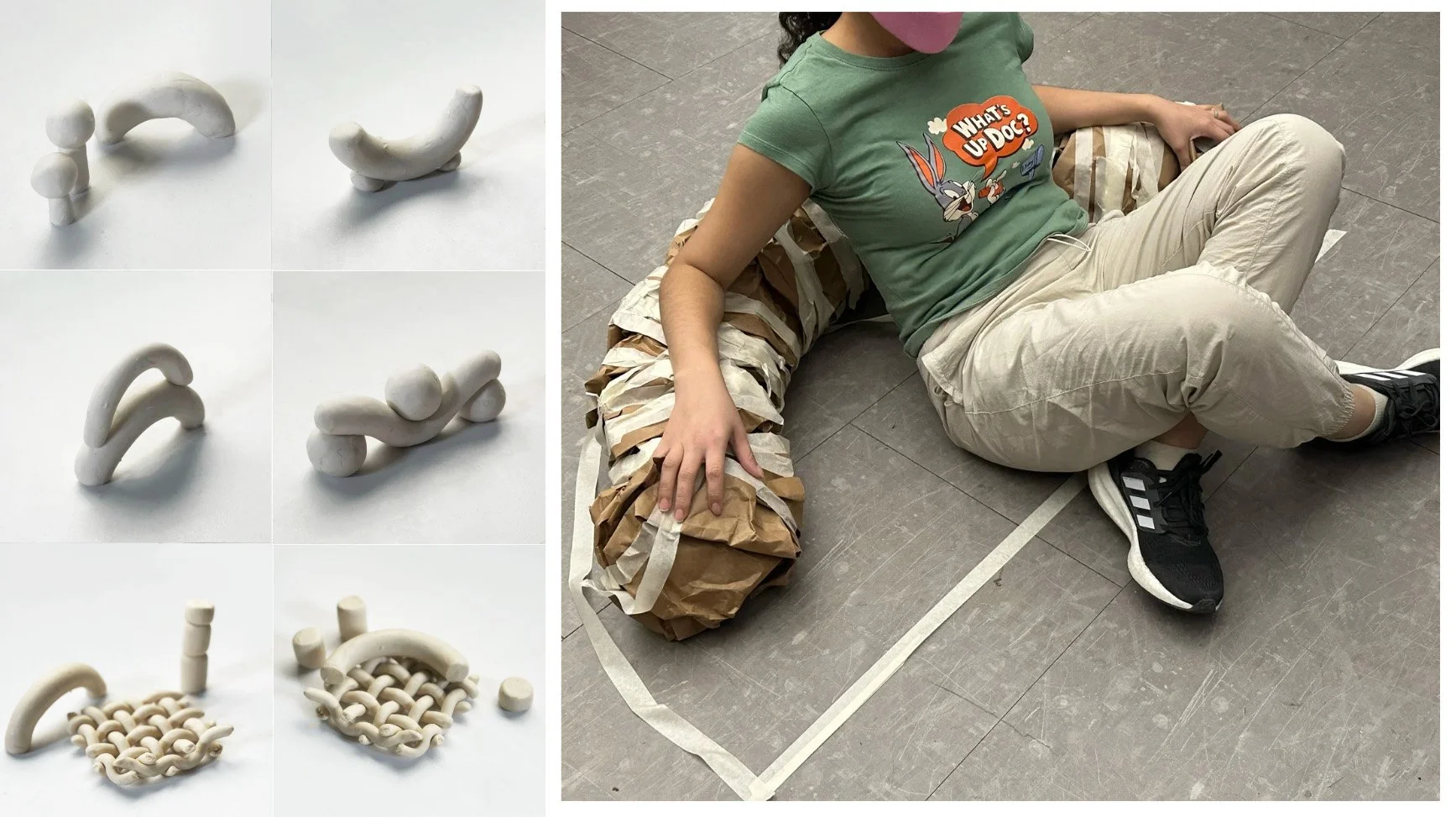
The form was developed through a series of small-scale studies and a full-scale prototype, allowing for physical testing of proportion, softness, and body interaction. This process ensured that the seating remains stable while accommodating different postures and movements.
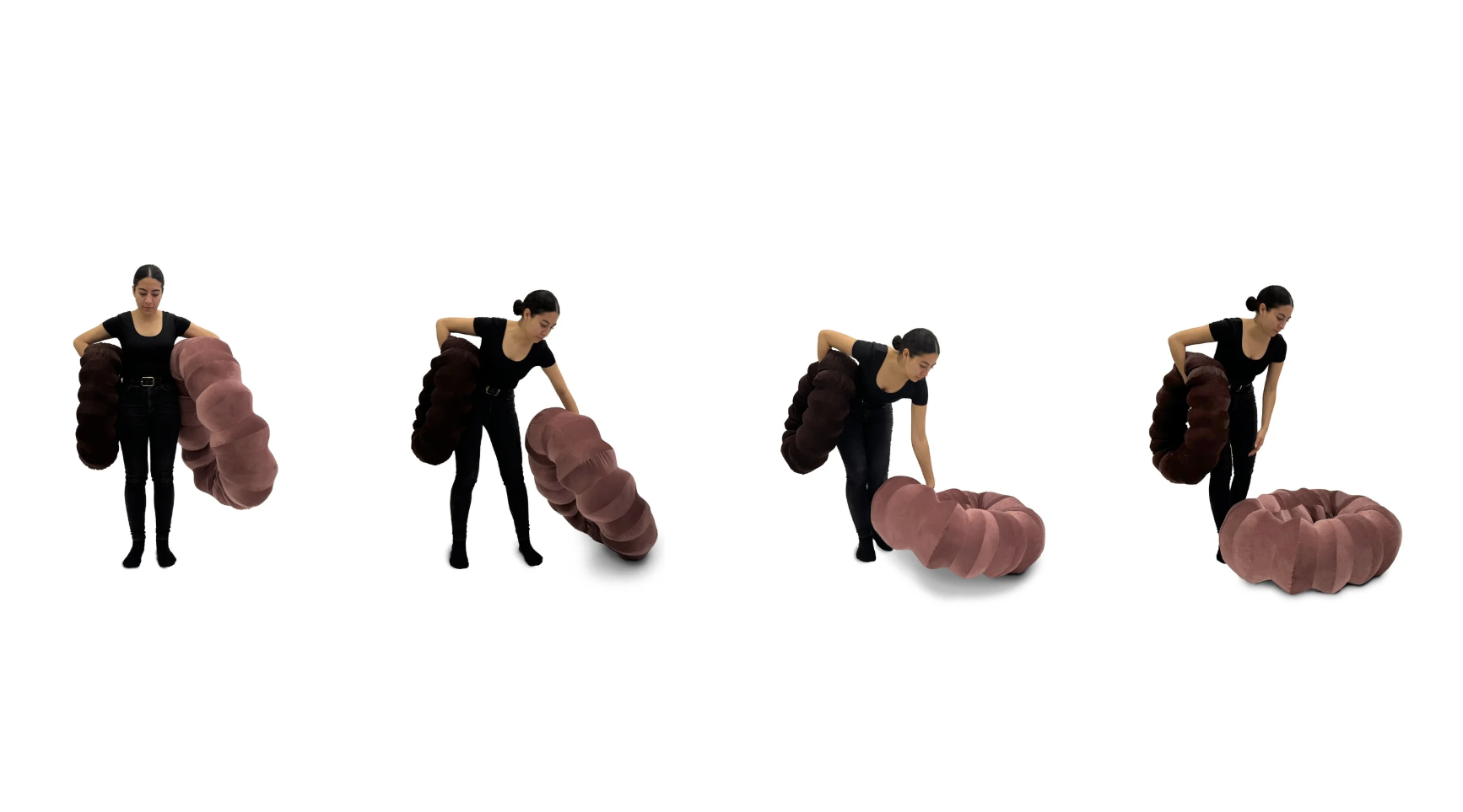
The final design is soft, modular, and open-ended in use. It can be easily moved and placed in different environments, supporting both individual and shared use. Its flexibility promotes informal seating behaviors and allows it to integrate naturally into everyday spaces.
The Nest ultimately proposes a shift away from rigid seating conventions. By prioritizing comfort, adaptability, and natural movement, it aligns design with how people already behave and offers a more relaxed and human-centered way of sitting.